SEO for Manufacturers: B2B Lead Generation From Search
SEO for manufacturers who sell to businesses: reaching the procurement managers, engineers and plant operators who search for solutions. Book a call.
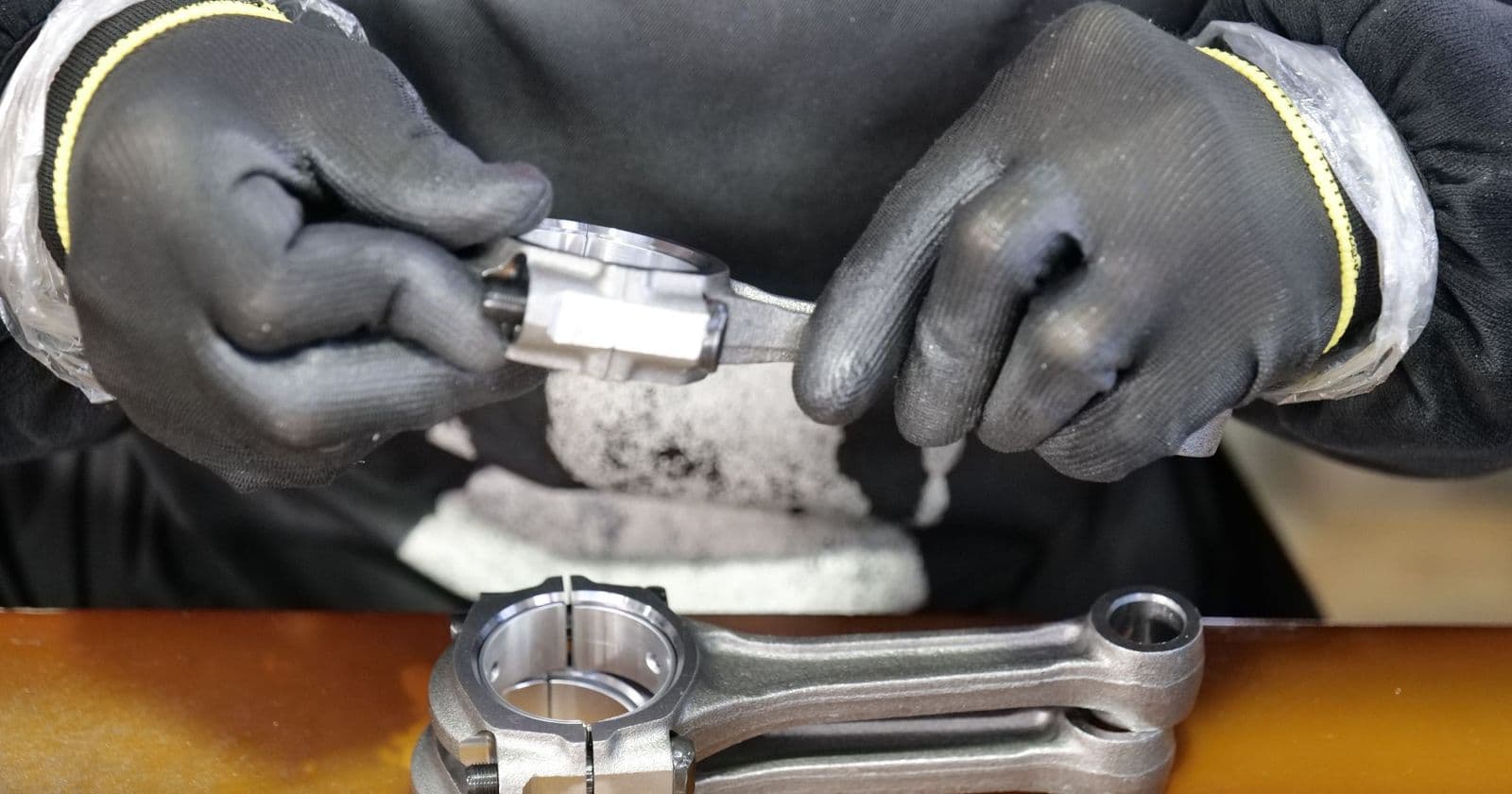
SEO for manufacturers starts with a simple fact: manufacturers sell to businesses, not consumers. Your buyers are procurement managers, engineers, and plant operators searching for specific solutions. They're in Google and LinkedIn. If your company does not appear when they search, they will evaluate your competitors instead.
B2B manufacturer SEO is different from B2C or service-based SEO. Your sales cycles are long. Your buyers evaluate multiple specs and vendors. You need to rank for technical keywords, product comparisons, and industry-specific searches. You need to build authority and demonstrate expertise.
When manufacturer SEO works, it can qualify leads before sales touches them, take some of the burden off the sales team, and bring in the kind of accounts your sales team wants to talk to. Results vary and are never guaranteed.
Why Manufacturers Need Specialised SEO (Different From Generic)
Generic SEO often focuses on brand keywords and traffic volume. Manufacturer SEO focuses on qualified lead generation and sales support.
Manufacturers face three specific challenges.
Challenge 1: Technical Product Complexity You manufacture components or solutions that require technical understanding. A generic product page doesn't rank because it lacks depth. Buyers search for technical specs, industry certifications, compliance standards, and comparisons. You need content that shows technical mastery and addresses specific engineering concerns.
Challenge 2: Long Sales Cycles and Multi-Stakeholder Buying A procurement decision can take many months. Multiple people are involved (engineers, procurement, finance). You need content for each stage: awareness (technical challenges), consideration (product comparisons, spec sheets), and decision (case studies, pricing, ROI). A single product page doesn't serve these stages.
Challenge 3: Industry-Specific Terminology and Niche Keywords Your buyers use industry jargon (OEM, SKU, supply chain terms). They search for specific certifications, standards, or compliance requirements. A general search strategy doesn't work. You need niche keyword research within your specific industry and application.
How We Approach SEO for Manufacturers
Step 1: Technical Authority Building We develop technical content that demonstrates expertise: whitepapers on manufacturing challenges and solutions, technical guides and spec comparisons, industry certification information, case studies showing application and results. Content like this gives you a stronger chance of ranking for technical searches and shows buyers real expertise.
Step 2: Niche and Long-Tail Keyword Strategy We identify high-intent niche keywords: "best fastener for marine applications," "stainless fixings vs. competitor comparison," "OEM supplier for automotive." Searches like these usually face less competition than broad terms and tend to come from buyers who are further along. We develop content targeting these keywords.
Step 3: Sales Enablement Content and CRM Linking We build content that supports sales: comparison guides, ROI calculators, spec sheets, customer references, case studies. We organise it by buying stage so your sales team can find and send the right material at each point in the conversation, and where you use a CRM we help you link it in.
Step 4: Industry Authority and Thought Leadership We help you position your company as an industry expert: we write the thought leadership and technical content you can use for trade-show talks, industry-journal submissions and association contributions. Over time this can build B2B authority that supports your rankings and brings in inbound enquiries.
SEO and technical content build authority within search; winning the account still runs through the content, LinkedIn, and outreach side beyond organic alone. Our guide to industrial marketing agency services for UK manufacturers covers that side of the system.
How Does B2B SEO Perform For Manufacturers?
- •B2B buying journeys often start with online search, and buyers frequently check a supplier's website before making contact
- •Technical whitepapers and spec content give a manufacturer more to rank for on industrial keywords than product-only pages
- •Case study and application content shows buyers the product working in a real setting, which general product content tends not to do
- •Documented expertise (certifications, associations, thought leadership) gives prospects reasons to trust a supplier
- •Product comparison content matches how B2B buyers research products; manufacturers without it miss that opportunity
- •Multi-stage content aligned to sales cycles gives sales better material for each stage of the conversation
What Mistakes Do Manufacturers Make With SEO?
Mistake 1: Treating B2B Like B2C You build product pages with marketing copy and photos. B2B buyers want specs, certifications, performance data, and comparisons. Generic marketing doesn't work. You need technical depth, industry authority, and sales support content.
Mistake 2: No Long-Tail or Niche Keyword Strategy You target broad keywords like "fasteners" or "valves." You compete against established giants and often struggle to rank. Instead, target niche keywords: "food-grade stainless fasteners," "high-temperature valve solutions," "OEM fastener supplier for aerospace." Niche keywords usually have less competition and come from buyers closer to a decision.
Mistake 3: Not Creating Content That Serves Sales You publish thought leadership blogs. Sales doesn't use them. Content doesn't flow into CRM. There's disconnect between marketing and sales. Create content that sales uses: spec comparisons, ROI calculators, case studies, customer references. Content becomes a sales tool, not just marketing asset.
Frequently Asked Questions: Manufacturer B2B SEO
Q1: How long does B2B SEO take to generate leads for manufacturers? Longer than B2C because sales cycles are long and Google has to build authority. First leads from new keywords typically take several months, and consistent lead flow takes longer. Nothing is guaranteed. Qualified leads (that fit your ideal customer profile) take even longer. Timing depends on competition, site history, content quality, budget and tracking, and Google does not publish deadlines.
Q2: What's the best content type for B2B manufacturer lead generation? Case studies and application stories often carry the most weight with technical buyers, alongside technical whitepapers and specification content, then product comparison guides and ROI and cost analysis tools. Lead with case studies and applications. Show real-world implementation and results. Buyers want to see peers solving similar challenges.
Q3: Should we use paid ads or organic SEO for manufacturer lead generation? Both. Paid ads (Google Ads, LinkedIn) can bring traffic as soon as campaigns are live and are good for competitive keywords. Cost-per-click can be high for industrial keywords. Organic SEO is slower but can become cheaper per lead over time. Use paid ads to fill gaps while building organic authority. Once there is enough data, compare cost per qualified lead across both channels and shift budget accordingly.
Q4: How do we get backlinks for B2B manufacturer websites? Link strategy: industry associations (directories, partner pages), speaking at trade shows (conference websites), publishing in industry journals and trade publications, partnerships with complementary suppliers (mutual linking), customer case study features (manufacturers linking from their case studies). Quality matters more than quantity for B2B: a link from a relevant industry authority is typically worth more than many generic ones.
Q5: How do we measure SEO ROI for manufacturers with long sales cycles? Track qualified leads (not just traffic). Assign lead value based on average deal size and conversion rate. Calculate your cost per qualified lead and, once deals close, your customer acquisition cost (total spend divided by customers won). Compare to other channels. B2B ROI appears slowly but can compound over time. Measure quarterly, not monthly. After 12 months, track customer acquisition cost and lifetime value.
Our Services for Manufacturers
- •Technical Authority and Thought Leadership: Whitepapers, technical content, industry positioning
- •Niche B2B Keyword Strategy: Industrial keyword research, long-tail strategy, competitive analysis
- •Sales Enablement Content: Case studies, comparison guides, ROI calculators, spec sheets
Ready to Talk About B2B Leads
Organic search can put your company in front of industrial buyers while they are actively evaluating suppliers. No result is guaranteed, but searchers at that stage are often ready to talk to sales.
Let's build B2B SEO that works to bring qualified enquiries into your sales pipeline. Contact the Blackstone Media team to discuss a programme for your business.
Related Industries
Content Marketing Services: Building Your Authority and Lead Generation Pipeline
Content marketing services built around search intent, so the blogs and guides you publish support leads, rankings and revenue instead of disappearing.
Local SEO Services UK: Improve Your Google Maps and Local Pack Visibility
Local SEO services for UK businesses: Google Business Profile, citation fixes and review building to work towards stronger local pack and Maps visibility.
SEO for Ecommerce: Agency Support for Online Stores
SEO for ecommerce: product page strategy, competitor analysis and conversion fixes to grow organic revenue without extra ad spend. Book a call.
Kind Words
Highly professional service was a pleasure to work with.
Google Review
They go above and beyond to deliver high-quality work that exceeds expectations.
Google Review
Book a free initial consultation
Tell us which services and markets you want more work from. No pitch, no obligation, and we quote before you sign.
We reply within one working day.