Restaurant Marketing Agency: Social Media That Supports More Bookings
Restaurant marketing agency for UK restaurants: Blackstone Media manages Instagram and TikTok so your food becomes a booking channel. Book a call.
Last updated October 12, 2026
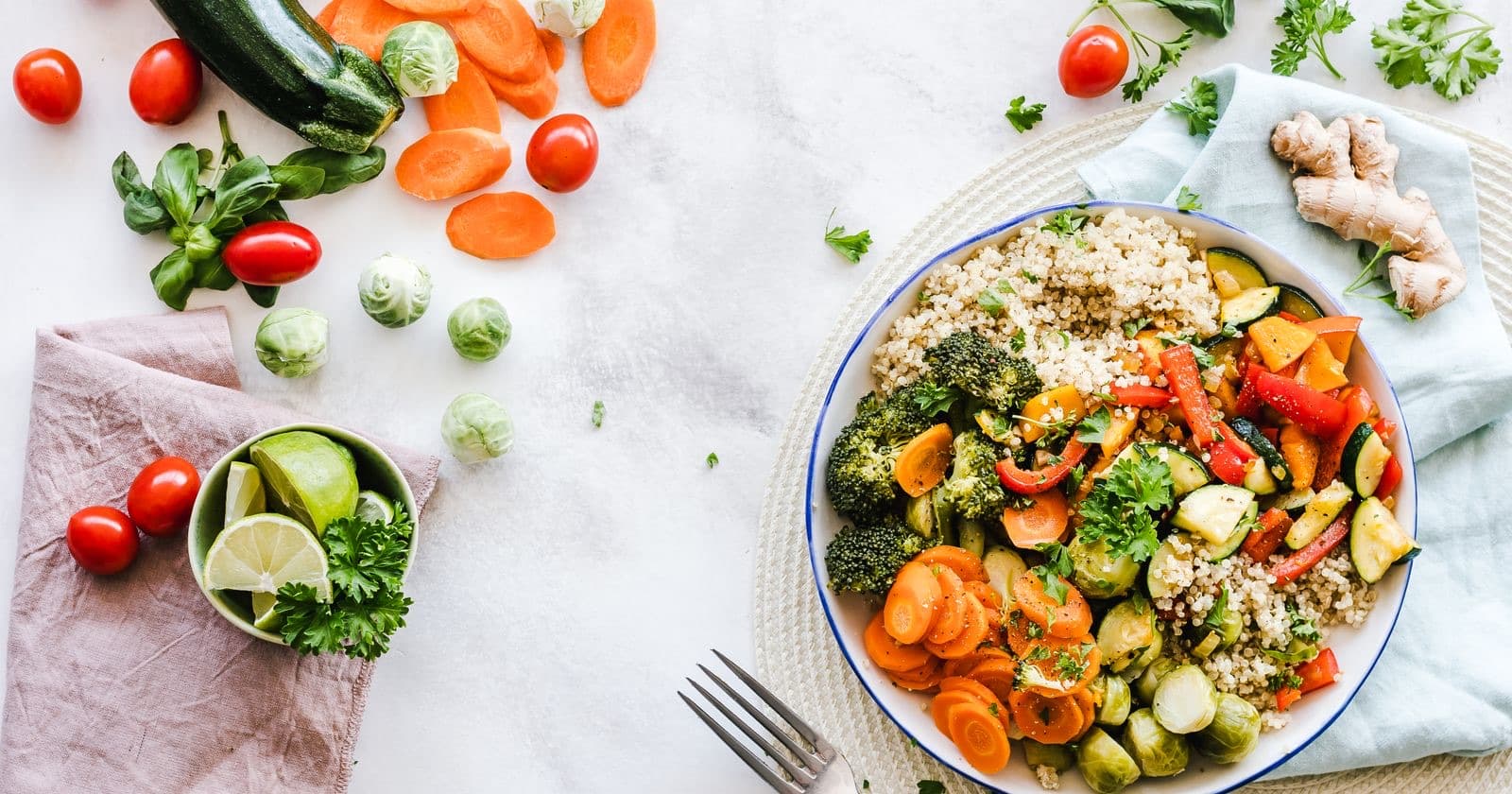
A restaurant marketing agency does not post food photos and hope for footfall. It builds a deliberate content strategy that puts your restaurant in front of the right people, at the right moment, with content that makes booking feel like the obvious next step. The difference between restaurants that grow their covers through social media and those that do not is rarely the quality of the food alone. It is often the quality of the strategy behind the content.
How a Restaurant Marketing Agency Helps Diners Find You Through Social Media
The discovery journey for a restaurant has changed. Many diners now look at Instagram and TikTok before booking, particularly for independent restaurants, new openings, and special occasion dining. The BrightLocal Local Consumer Review Survey (2026) found that 97% of consumers read reviews for local businesses. BrightLocal also reports video platforms, including YouTube, Instagram and TikTok, gaining traction for reviews, so for restaurants that research increasingly happens on social platforms, not just Google.
TikTok food content can produce real queuing and booking effects at restaurants that go viral in their city. A short video showing a dish being prepared, the atmosphere on a Friday night, or a behind-the-kitchen moment can reach a large local audience, and that audience can turn into bookings.
Instagram remains a primary platform for restaurant discovery for many diners. Your Instagram grid is your menu, your atmosphere, and your social proof in one place. A well-managed Instagram profile for a restaurant in a competitive UK city can generate direct message enquiries, link-in-bio clicks to reservation pages, and tagged posts from guests that extend your organic reach without additional spend.
The same discovery pattern shows up across the wider hospitality sector, not just standalone restaurants. See our hospitality marketing agency page if you are running social for a hotel restaurant, bar, or multi-venue group rather than a single independent site.
Why Most Restaurants Manage Social Media Badly
Restaurant social media fails in two ways. Either it is managed by whoever on the floor has a personal Instagram account, resulting in inconsistent quality, dead periods during busy seasons, and content that does not reflect the actual brand. Or it gets outsourced to a generic agency that posts stock photography and achievement posts with no understanding of the hospitality sector.
Neither approach connects content to bookings.
Effective restaurant social media requires: content planned around your business calendar (new menus, seasonal specials, events, quiet midweek periods that need driving), a filming and photography workflow that produces content consistently without disrupting service, and an understanding of which content formats drive action versus which drive passive engagement. Reels and TikToks tend to suit discovery, carousels tend to suit saves, and Stories tend to suit direct message enquiries and link clicks. Each format has a different role.
UGC (user-generated content) strategy is where independent restaurants have a structural advantage over chains. When a guest photographs your signature dish and tags you, they are endorsing you to their network. Amplifying that content (reposting it with permission, commenting, encouraging it with table cards) costs very little and can reach audiences that your own posts do not.
What Blackstone Media Delivers for Restaurants
We build a content calendar structured around your trading calendar, not a generic posting schedule. New menu launches, quiet Mondays, a Christmas dining promotion in September: all planned, all with specific content briefs designed to drive the outcome you need at that moment.
We manage content creation coordination, community engagement, UGC amplification, and monthly reporting tied to the metric that matters: reservation enquiries and table bookings attributed to social media activity.
We also handle the timing logic that many restaurants miss. The week your Christmas menu goes live is too late to start promoting it on social. We build the promotional timeline into your content plan from the start.
What Should Restaurants Expect?
Organic social growth builds over time and depends on content quality, consistency and your audience. An independent restaurant with consistent, well-managed social media can see follower growth and direct enquiries build, though results vary and are not guaranteed. Viral moments are not predictable, but a consistent content strategy gives them a better chance of happening. Restaurants that treat social as a booking channel rather than a posting obligation are better placed to turn it into bookings.
Social media is one part of a wider restaurant marketing system. For the full picture, local SEO, reviews, email, and loyalty programmes working alongside your social content, see our guide to restaurant marketing strategy.
How Much Does a Social Media Agency for Restaurants Cost?
Social media management starts from £300 per month (excluding VAT). Restaurant retainers are quoted against the number of sites, platforms and content shoots, and food photography or videography sessions are usually quoted separately from the core retainer. Book a call for a quote against your brief.
We price this as a flat monthly retainer rather than per-post or per-follower pricing, both of which create the wrong incentive: per-post pricing rewards posting volume over quality, and follower-based pricing rewards vanity metrics over actual covers booked.
What Does Onboarding Look Like?
First: audit of your existing social presence, trading calendar mapping (menu changes, seasonal promotions, quiet periods that need driving), and agreement on the content formats that make sense for your restaurant's style and pace of service.
Next: first content shoot scheduled around service hours to minimise disruption, first month's content calendar built and approved, and a UGC amplification process set up (table cards, tagging prompts, permission workflow for reposting guest content). Timelines depend on scope; we agree them in writing before work starts.
Then: consistent posting cadence, community management (responding to DMs and comments in a timeframe that converts enquiries into bookings), and monthly reporting tied to reservation enquiries, not just follower count or engagement rate.
Illustrative Example: An Independent Restaurant Ahead of a Seasonal Menu Launch
To illustrate the timing point above, consider a hypothetical independent restaurant planning a Christmas set menu launch, historically promoted only in the two weeks before December. Building the promotional content timeline back into September, with teaser content, behind-the-scenes menu development posts, and a structured push starting six weeks out rather than two, could move a larger share of bookings into the advance-booking window rather than last-minute walk-ins, giving the kitchen and front-of-house team more predictable service planning as a secondary benefit. Results would vary and are not guaranteed. This is an illustrative scenario reflecting a common restaurant marketing timing issue, not a specific client result.
Frequently Asked Questions
Do you handle the food photography and videography yourselves?
We coordinate it, either by arranging production through our video and design team, or by briefing your own, so shoots are planned around your service hours and produce content mapped to your actual trading calendar rather than a generic stock-style shoot.
Which platforms do you recommend for a restaurant: Instagram, TikTok, or both?
Both, weighted differently depending on your audience. Instagram remains a strong platform for restaurant discovery and functions as your visual menu and social proof. TikTok drives discovery and viral reach, particularly for new openings or distinctive dishes, and is worth prioritising if your food or atmosphere photographs and films distinctly.
Can you help drive bookings for quiet periods, not just launches?
Yes. Quiet midweek periods and seasonal lulls are exactly where a planned content push (a set-menu promotion, an event, a chef's table experience) can earn back the investment, since filling an empty table on a Tuesday adds little extra cost for the kitchen.
How do you measure whether social media is actually driving bookings, not just likes?
We track link-in-bio clicks to your reservation platform, direct message enquiry volume, and where your booking system supports it, a source-attribution tag or promo code specific to social-driven bookings. Follower count and engagement rate are reported as secondary context, not the headline metric.
Your Menu Is Search Content, Not a PDF
Many restaurant websites rely on a PDF menu or a menu image. Google can index PDFs, but a menu image gives search engines no text to read, and a PDF is harder for diners to use on a phone and for you to keep current. A menu published as plain text on a web page gives you a chance to appear for specific dishes, preparations, and dietary requirements, such as "vegan options near me".
Many diners book through platforms such as OpenTable, order through delivery apps, and read reviews on third-party sites. Those platforms hold much of the customer relationship, and your own website can end up as an afterthought. Driving search traffic directly to your website and reservation system reduces dependency on third-party platforms (and their commissions).
How do we compete with big chains for local rankings?
Specialisation. Chains often rank for broad terms ("pizza near me," "burgers"). You rank for specific positioning and niches: "best wood-fired pizza in Shoreditch," "authentic Thai from a Bangkok-trained chef," "farm-to-table dining." Reviews at scale and menu optimisation for specific dietary requirements (vegan, keto, allergen-free) can help you compete for long-tail searches that chains may ignore.
Related Services
Social Media Agency London | Build an Audience, Win Clients
Blackstone Media is the social media agency London brands choose when they want a real audience. Platform-native content, consistent publishing, and a strategy tied to business outcomes. Book a call.
Hospitality Marketing Agency: Filling Rooms, Tables and Venues
Hospitality marketing agency for hotels, restaurants and venues: Blackstone Media builds Instagram and TikTok into a booking channel. Book a call.
Video Production London
Video production London businesses hire Blackstone Media for, including the video for Omar Esa's Muslim World Cup Anthem 2026. Book a brief.
From the Blog
Restaurant Marketing: How UK Restaurants Can Fill More Tables
A one-star Yelp rating rise is linked to a 5-9% revenue lift for independent restaurants (Harvard Business School, 2011). A strategy for reviews and local SEO.
Social Media Marketing for Small Businesses in the UK: What Works in 2026
Social media marketing for small businesses fails without a strategy behind the posts. What UK small businesses do differently when it generates real leads.
Content Creation for Social Media: A Repeatable Process
How to create content for social media without it eating your week: batching, turning one piece into five formats, and which tools suit small-business scale.
Kind Words
Highly professional service was a pleasure to work with.
Google Review
They go above and beyond to deliver high-quality work that exceeds expectations.
Google Review
Let's Work Together
Ready to grow with restaurant social media?
Book a call to talk through your goals. No pitch, no obligation.
We aim to reply within one working day.